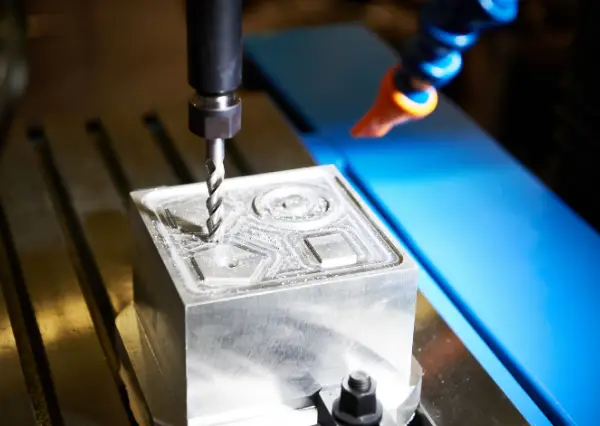
PRECISION CNC MACHINING

Custom Online CNC
Machining Services

Custom metal and plastic machined parts, from rapid prototyping to production. Discuss your drawings, materials and manufacturing requirements with YC Precision.

CNC Milling · CNC Turning · Prototypes & Production

20,000+ customers in over 120 countries & regions trust PrimePrecision to manufacture their custom parts

CNC Machining Services for Custom Parts

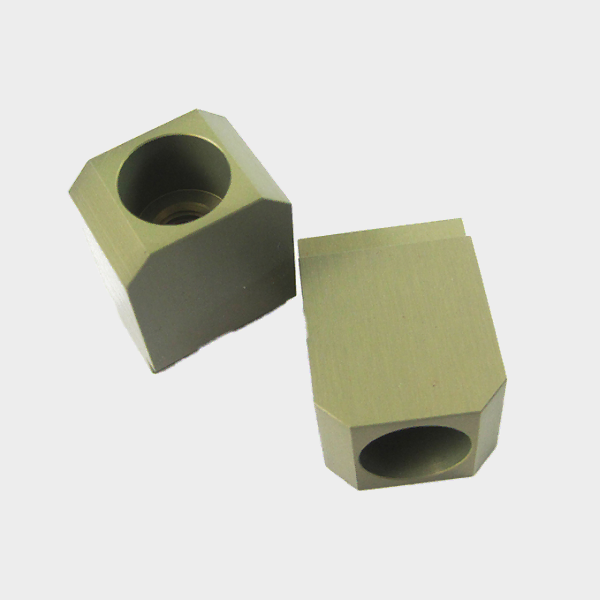
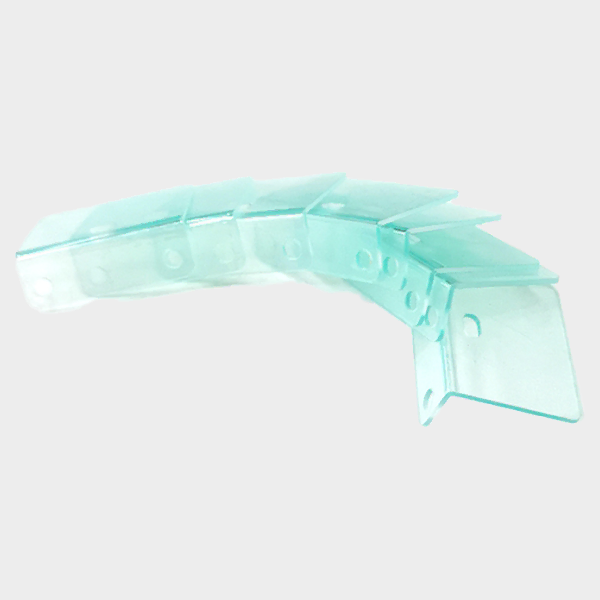
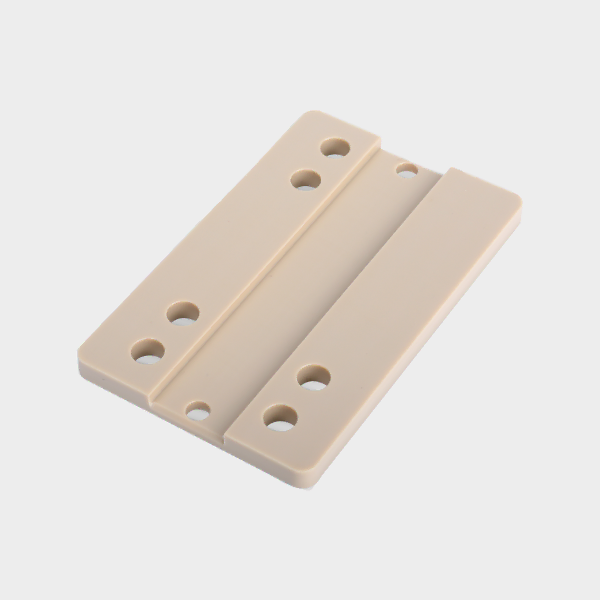
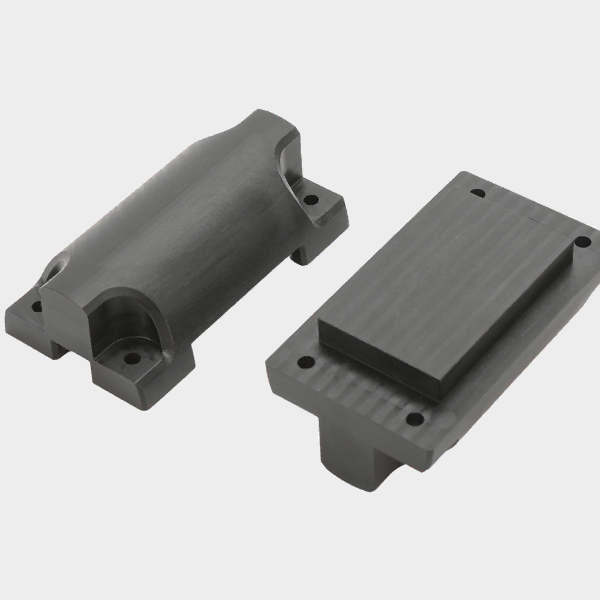
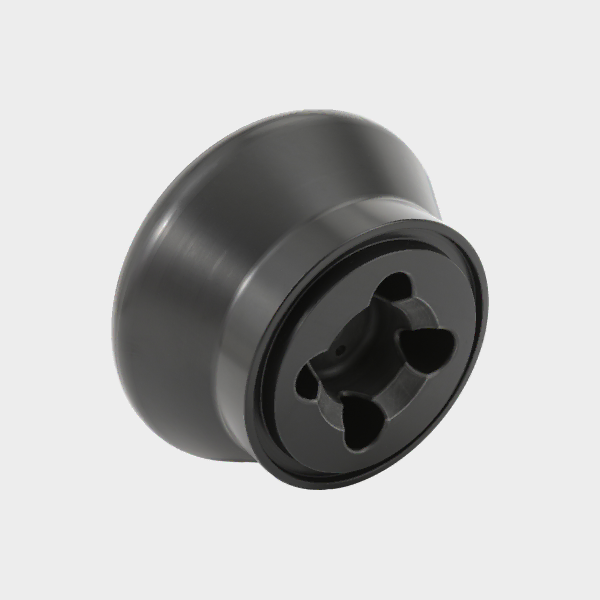
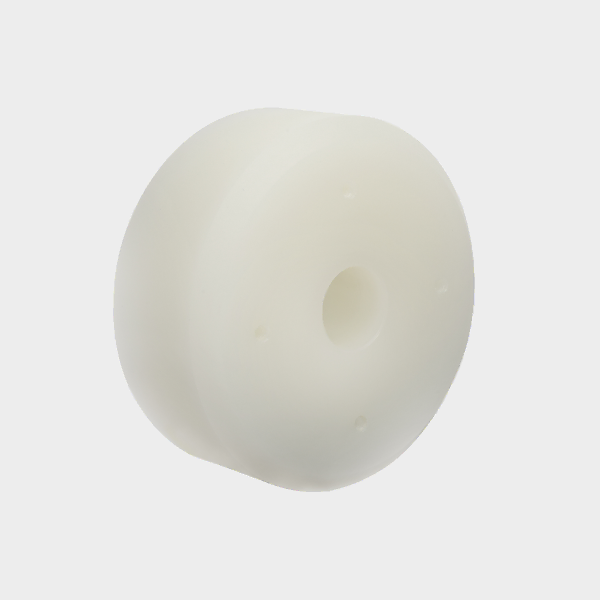
YC Precision provides custom CNC machining for metal and plastic components, from development prototypes to production parts. Our milling and turning services support simple components and complex geometries.

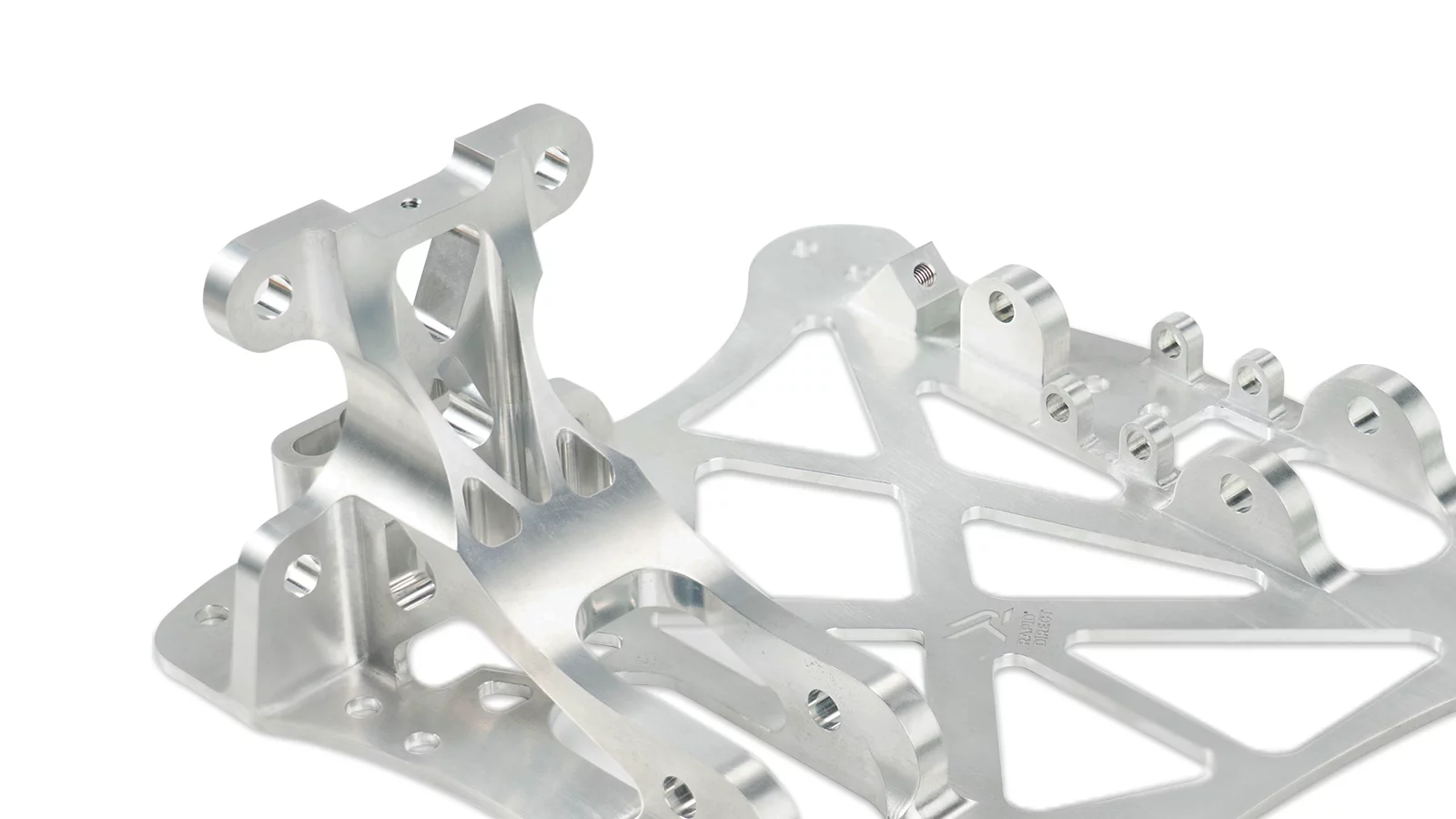
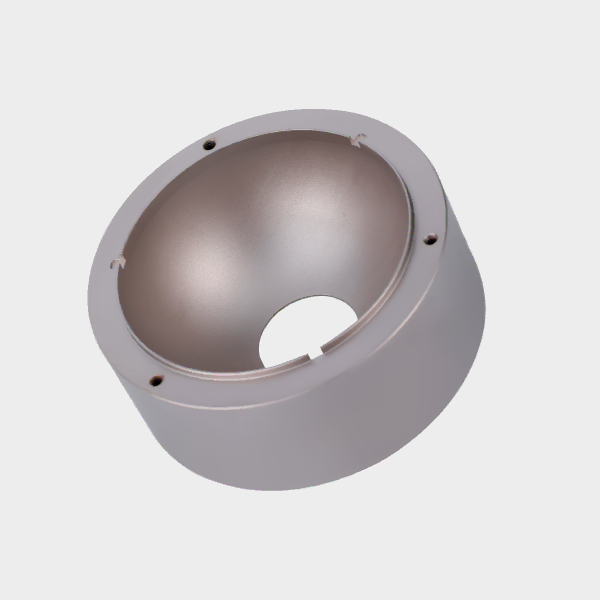
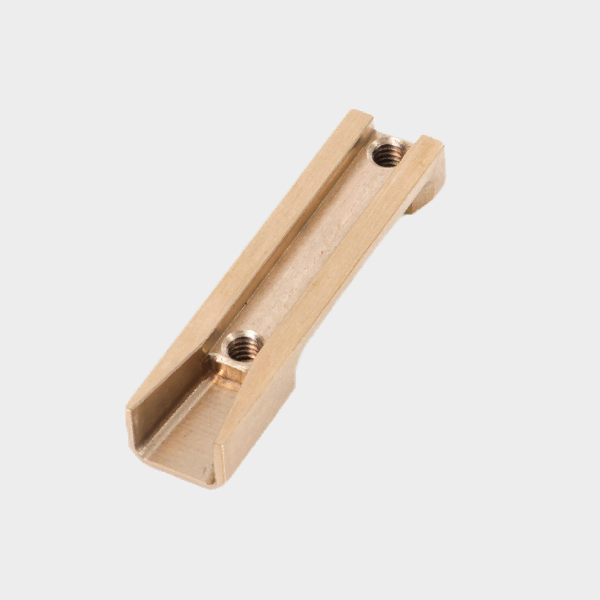
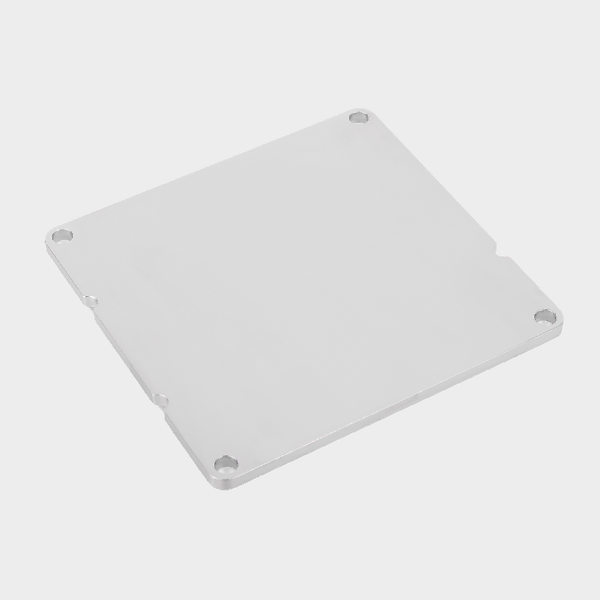
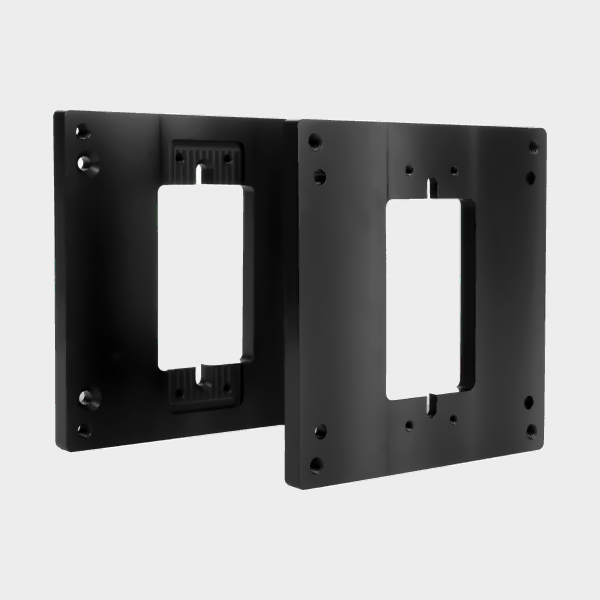
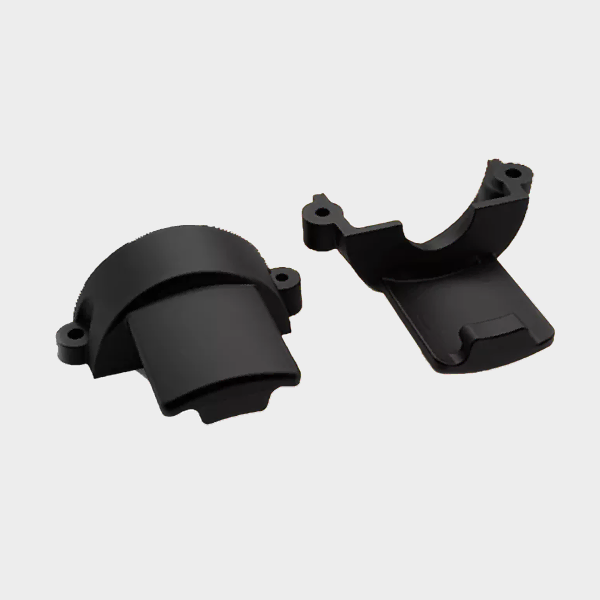
custom cnc milled part

Custom CNC Milling Services

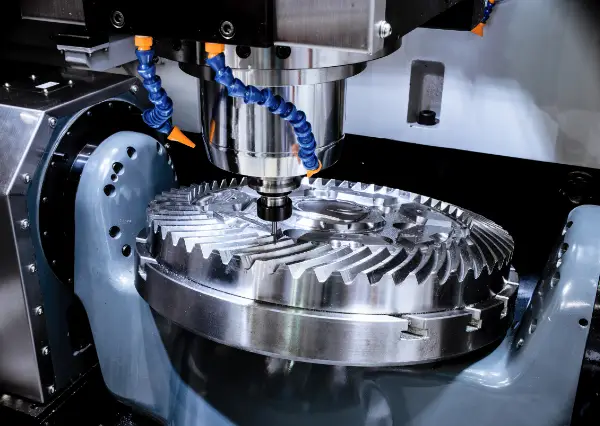
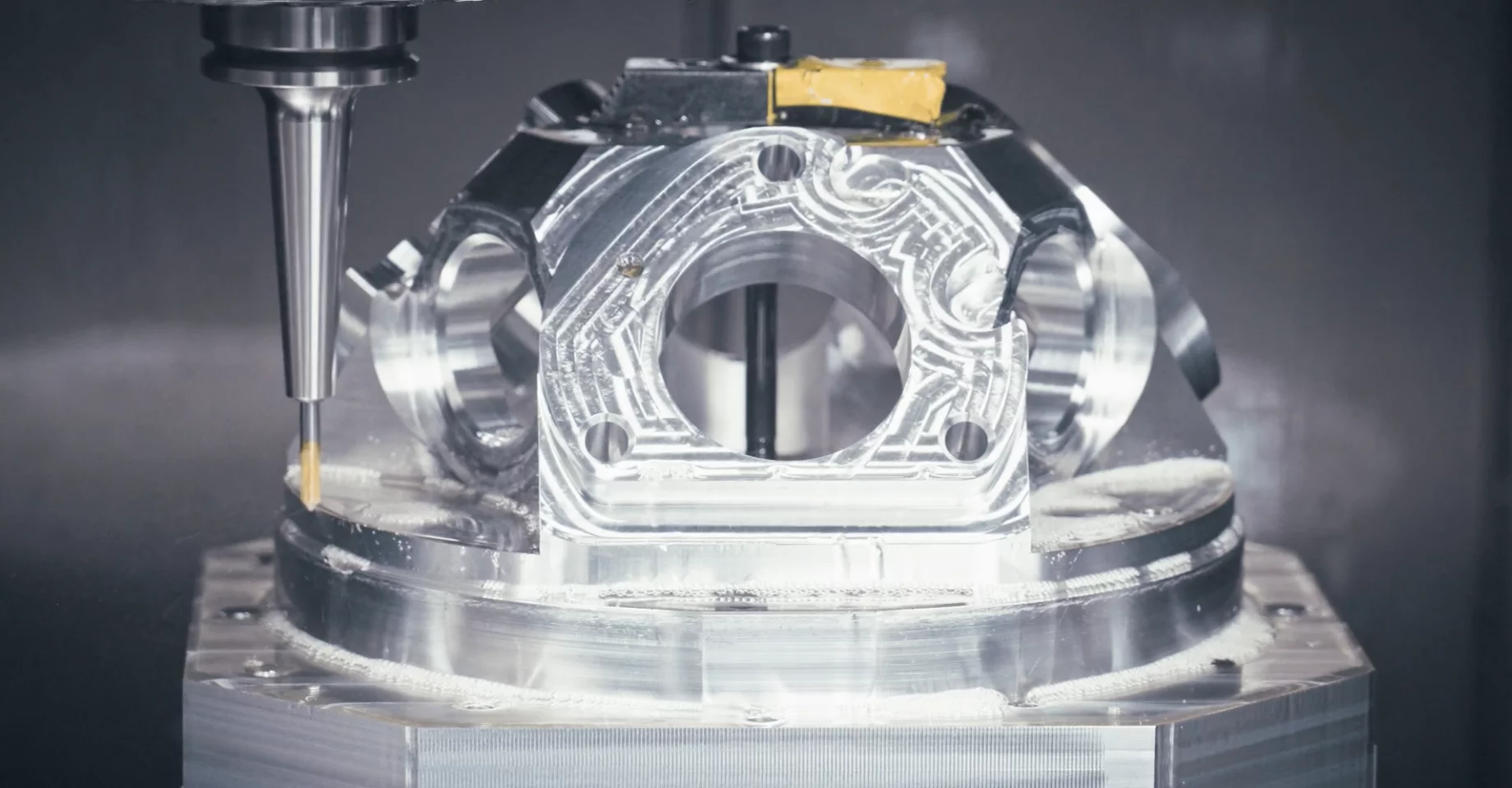
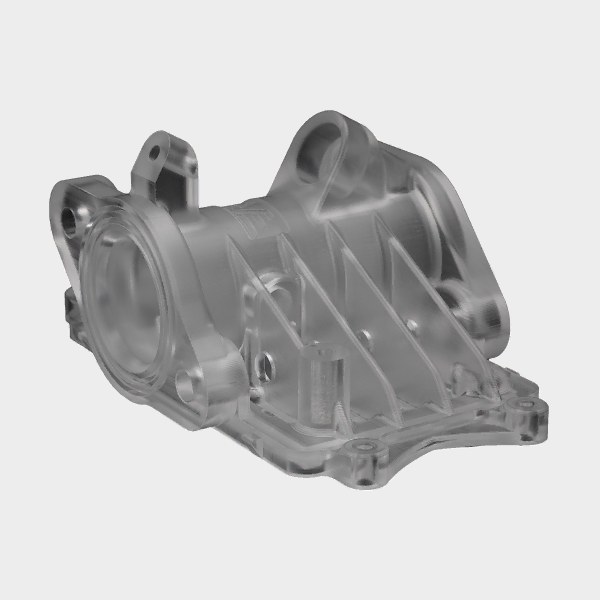
CNC milling uses 3-axis, 4-axis and 5-axis tool paths to create complex geometries in plastic and metal. Share your drawings to discuss machining requirements, tolerances and mold-making applications.

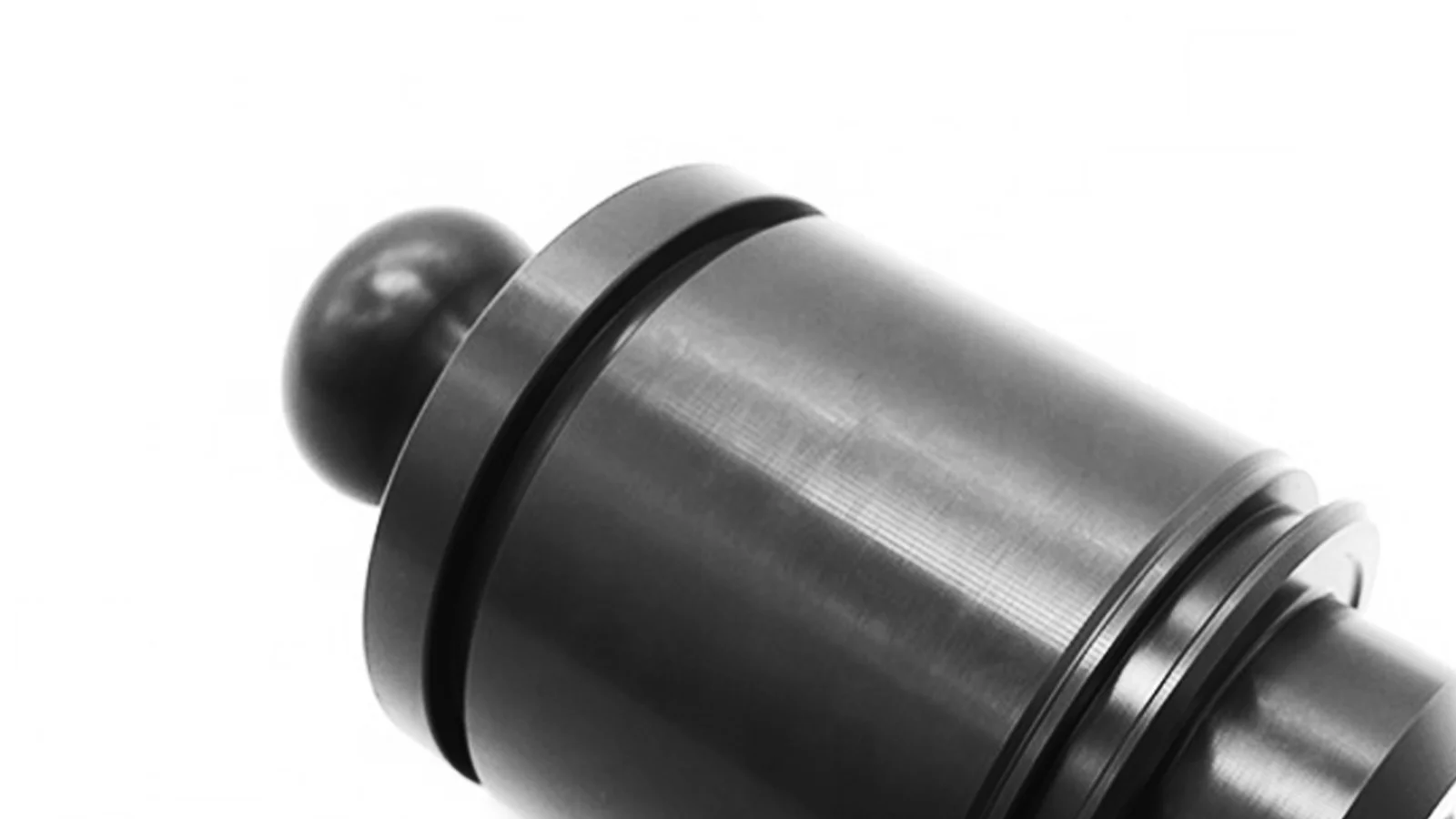
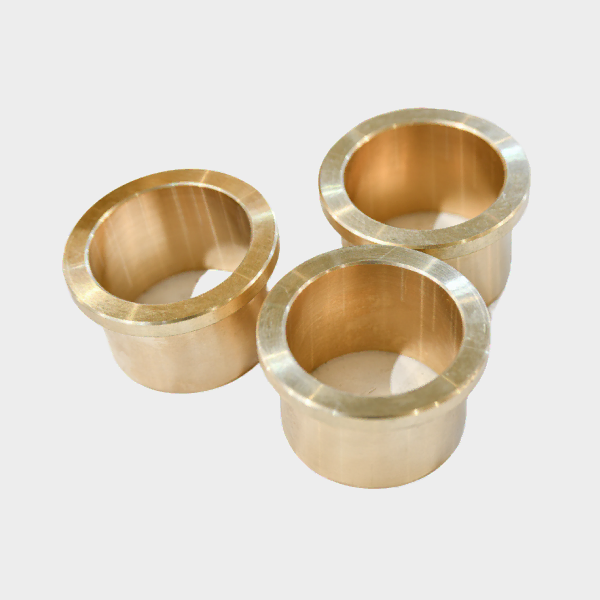
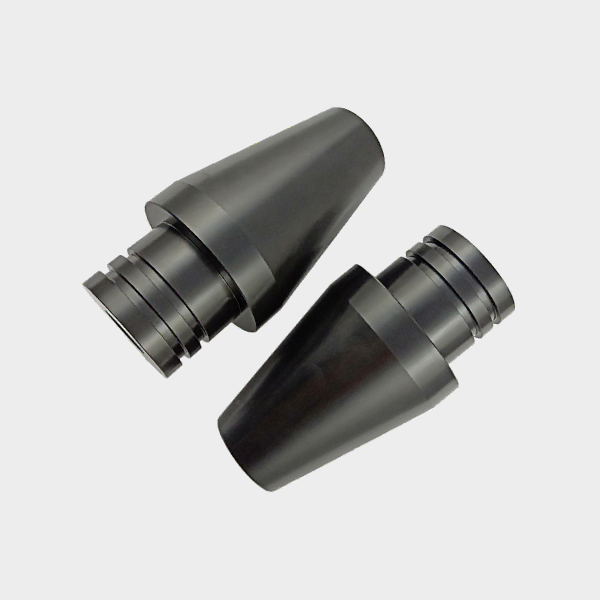
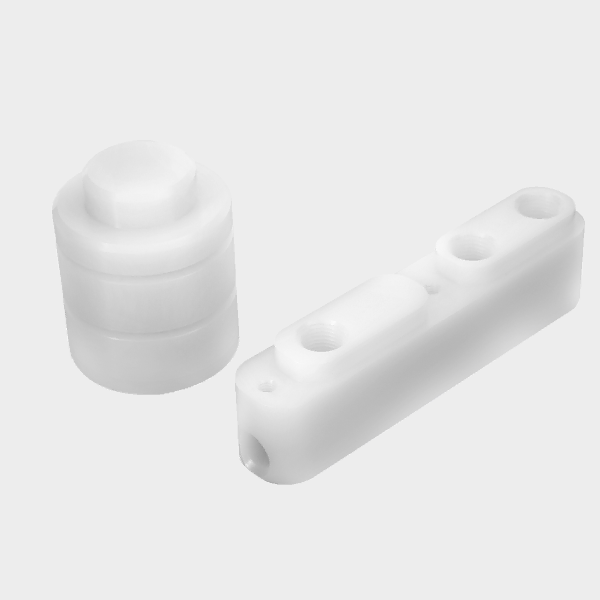
custom cnc turned part

Custom CNC Turning Services

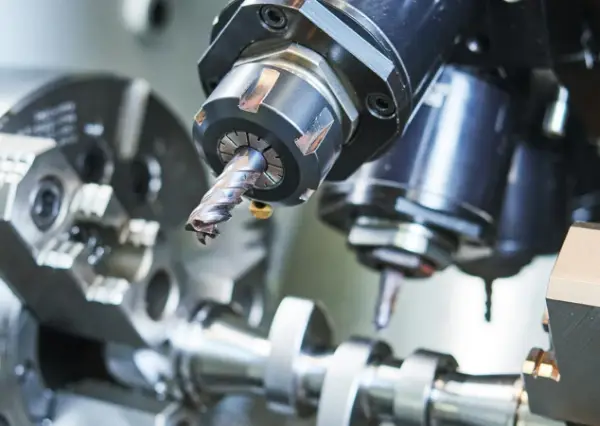
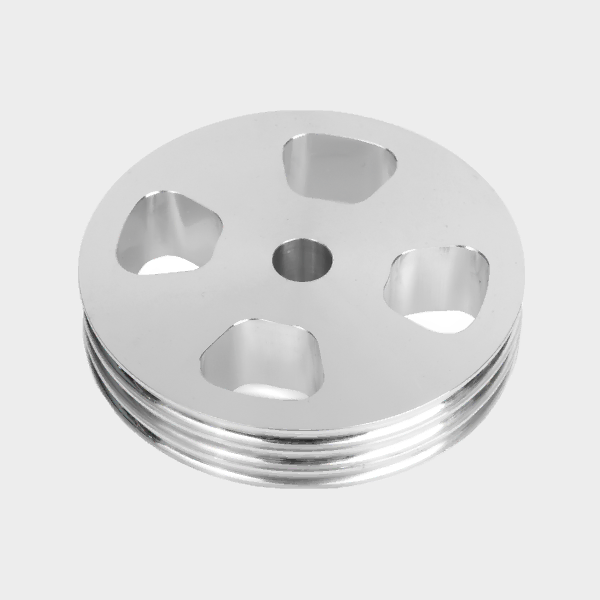
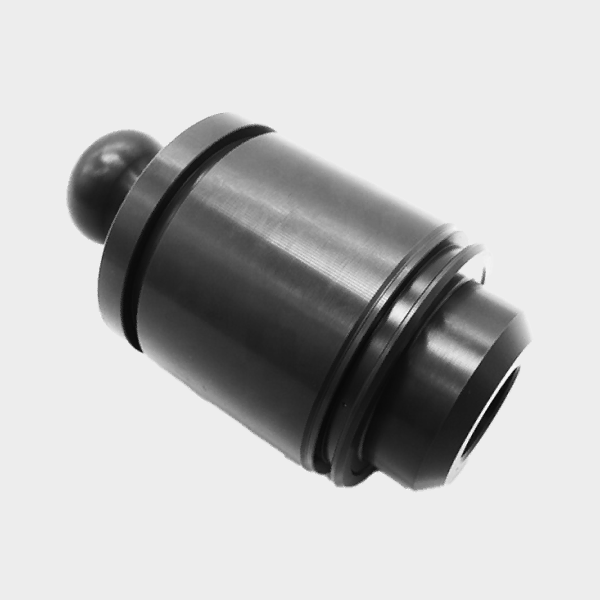
CNC lathes, turning centers and mill-turn machines create cylindrical workpieces from round, square or hexagonal raw materials. Suitable for both turned prototypes and production parts.

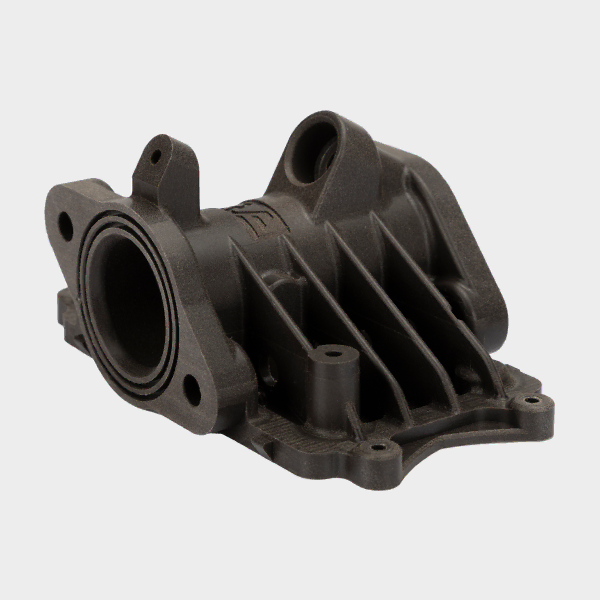
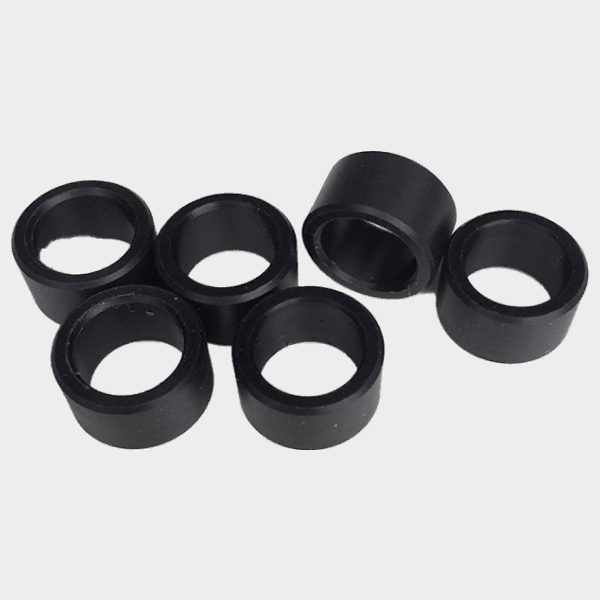
CNC Machining for Prototyping to Production

Whether you require rapid machining, small-batch machining or high-volume manufacturing, choose a CNC machining solution that scales with your project.

China’s CNC Machine Shops. Ship Globally

Work with YC Precision on custom CNC parts for your application. From drawing review to manufacturing and shipment, discuss your project directly with our team.

700+

Machines Set

0.001''

Tight Tolerance

1 Day

Fast Lead Time

CNC Machining Materials

Explore metals and engineering plastics to match your project’s functional and aesthetic requirements. Select a material to compare properties, grades and finishing options. Availability and suitability are confirmed with your quotation.

Aluminium

Aluminum is lightweight, strong, and easy to machine, positioning it great for various applications like aerospace and automotive parts. Its corrosion resistance also adds to its appeal in outdoor projects and structural components.

Color: Silver

Subtypes: Aluminum 6061, 6061-T6, Aluminum 2024, Aluminum 5052, Aluminum 5083, Aluminum 6063, Aluminum 6082, Aluminum 7075, 7075-T6, Aluminum ADC12 (A380)

Available Finish: As machined, Anodizing, Powder coating, Electroplating, Painting, Sand blasting, Polishing

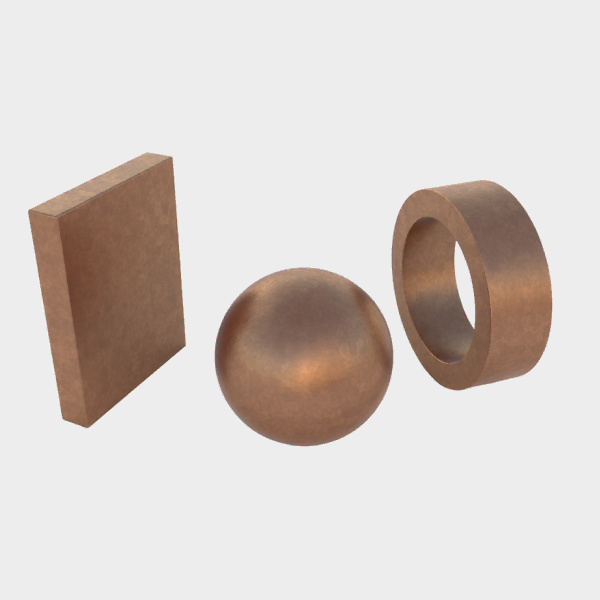
Copper

Copper is highly conductive and malleable, making it a top choice for electrical wiring and plumbing. Its natural antibacterial properties also make it ideal for medical applications, while its aesthetic appeal suits decorative items and artwork.

Color: Red-orange

Subtypes: Copper C101(T2), Copper C103(T1), Copper C103(TU2), Copper C110(TU0), Beryllium Copper

Available Finish: As machined, Polishing, Sand blasting, Tumbling, Electropolish, Alodine, Heat treatment, Black oxidize, Electroless nickel, Chrome plating, Brushed finish

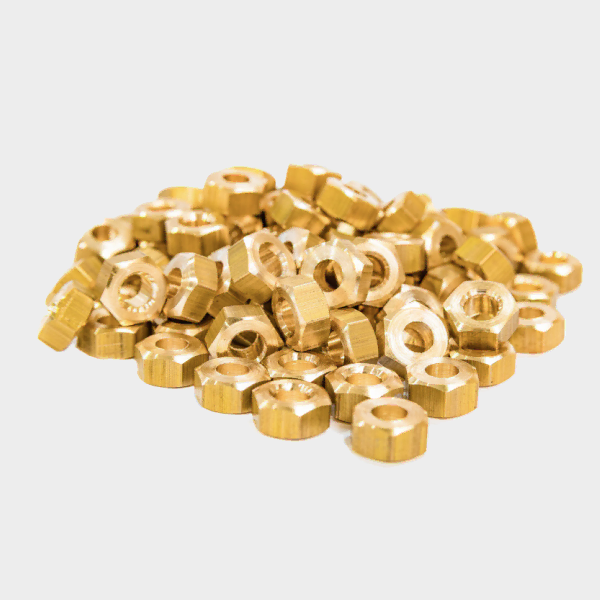
Bronze

Bronze, an alloy of copper and tin, is known for its durability and resistance to corrosion. It’s widely used in marine applications, sculptures, and bearings, thanks to its strength and ability to withstand harsh environments.

Color: Metallic brown

Subtypes: Tin Bronze

Available Finish: As machined, Polishing, Sand blasting, Tumbling, Electropolish, Alodine, Heat treatment, Black oxidize, Electroless nickle, Chrome plating, Powder coating, Brushed finish

Steel

Steel is a strong and versatile material, widely used in construction and manufacturing. Its high tensile strength makes it suitable for structural components, while various Subtypes enhance its properties for specialized applications, like tools and machinery.

Color: Silver Grey

Subtypes: Steel 1018, 1020, 1025, 1045, 1215, 4130, 4140, 4340, 5140, A36, Die steel, Alloy steel, Chisel tool steel, Spring steel, High speed steel, Cold rolled steel, Bearing steel, SPCC

Available Finish: As machined, Electroplating, Passivation, Powder coating

Stainless Steel

Stainless steel is resistant to rust and staining, making it perfect for kitchen appliances and medical equipment. Its strength and aesthetic appeal also make it a popular choice for architectural designs and automotive parts.

Color: Silver Grey

Subtypes: Stainless Steel SUS201, SUS303, SUS 304, SUS316, SUS316L, SUS42, SUS430, SUS431, SUS440C, SUS630/17-4PH, AISI 304

Avaiblae Finish: As machined, Electroplating, Passivation, Powder coating

Magnesium

Magnesium is lightweight yet strong, often used in aerospace and automotive applications where reducing weight is critical. Its machinability allows for complex shapes, and it's also utilized in various electronic devices for its excellent conductivity.

Color: White-silver

Subtypes: Magnesium Alloy AZ31B, AZ91D

Available Finish: As machined, Polishing, Sand Blasting, Tumbling, Alodine, Heat treatment, Anodizing, Teflon coating, Electroless nickel, Painting, Powder coating, Electrophoresis

Titanium

Titanium is incredibly strong and lightweight, making it ideal for aerospace and medical implants. Its resistance to corrosion and biocompatibility enhance its use in demanding environments, while its high strength-to-weight ratio suits various industrial applications.

Color: Silver

Subtypes: Titanium Alloy TA1, Alloy TA2, Alloy TC4/Ti-6Al 4V

Available Finish: As machined, Polishing, Sand Blasting, Tumbling, Electropolish, Alodine, Anodizing, Electroless nickel, Painting, Powder coating, Brushed finish

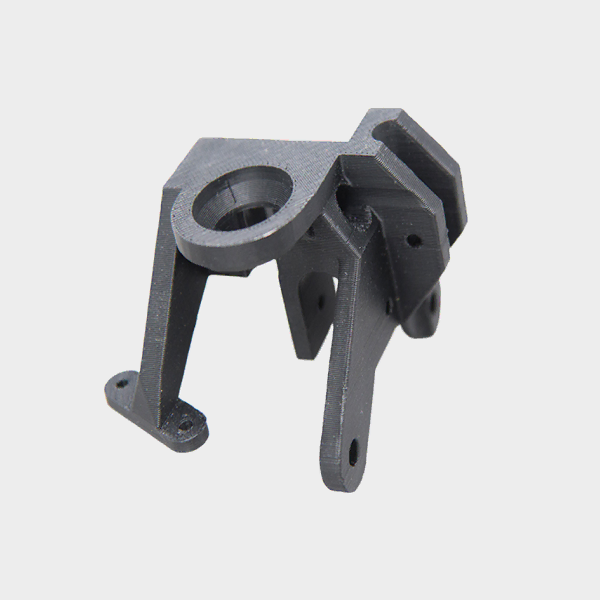
ABS

ABS is tough, heat-resistant, and impact-resistant. Lightweight and easy to work with, this material suits car parts and consumer goods where durability matters but cost is also important.

Color: Lighe Beige Black

Subtypes: ABS Beige(Natural), ABS Blac, ABS Black Antistati, ABS Milky Whit, ABS+PC Black, ABS+PC White

Available Finish: As machined, Sand blasting, Tumbling, Teflon coating, Painting, Powder coating, Electrophoresis

PC

Polycarbonate is super durable and clear, with amazing impact resistance. Commonly found in bulletproof glass and safety gear, it can take a hit without cracking.

Color: Black White

Subtypes: PC Black, PC Transparent, PC White, PC Yellowish White, PC+GF30 Black

Available Finish: As machined, Sand blasting, Tumbling, Painting, Brushed Finish

PMMA (Acrylic)

PMMA (acrylic) is clear, weather-resistant, and won't fade. Ideal for outdoor displays, signage, and lighting, it holds up well in the elements.

Color: Black White

Subtypes: PMMA Black, PMMA Transparent, PMMA White

Available Finish: As machined, Sand blasting, Tumbling, Painting

POM

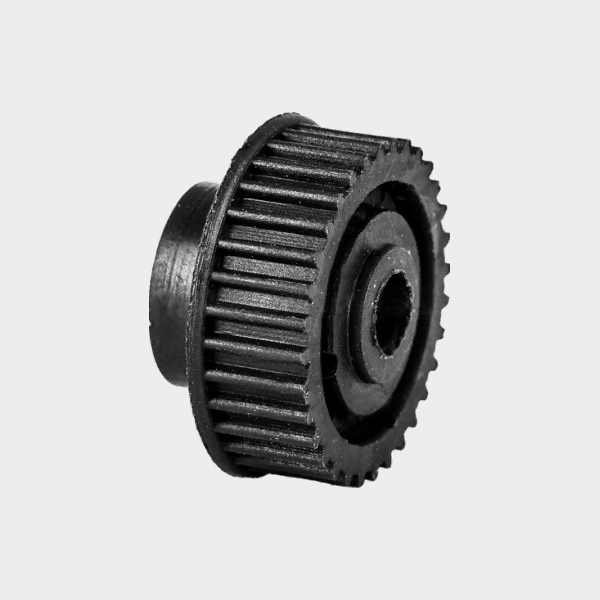
POM is strong and has a low-friction surface, making it perfect for precision parts like gears and bearings where things need to fit just right and work smoothly.

Color: Black White Blue

Subtypes: Dark brown (coffee) POM 100AF, POM Black, POM Blue, POM White

Available Finish: As machined, Sand blasting, Tumbling, Painting

PA (Nylon)

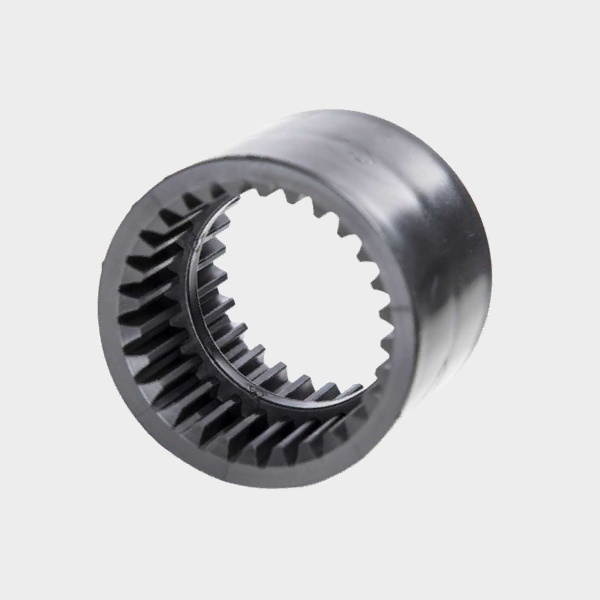
Nylon is versatile, tough, and resists wear. Often chosen for gears, bearings, and other parts that handle constant friction and heat without breaking down.

Color: Black Blue

Subtypes: PA(Nylon) Blue, PA6 (Nylon)+GF15 Black, PA6 (Nylon)+GF30 Black, PA66 (Nylon) Beige(Natural), PA66 (Nylon) Black

Available Finish: As machined, Sand blasting, Tumbling, Teflon coating, Painting, Powder coating
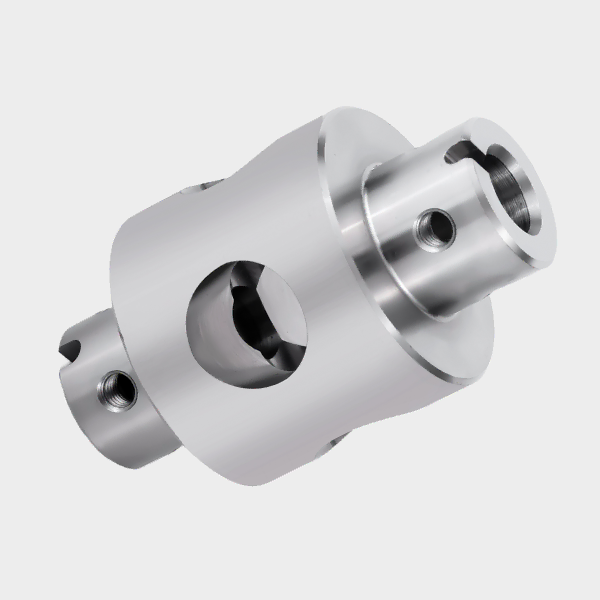
PE

Polyethylene is lightweight and tough, with great impact resistance. It's a go-to material for packaging, containers, and anything that needs to resist cracking under pressure.

Color: Black White

Subtypes: HDPE, UHMW-PE, LDPE

Available Finish: As machined, Sand blasting, Tumbling, Painting, Powder coating
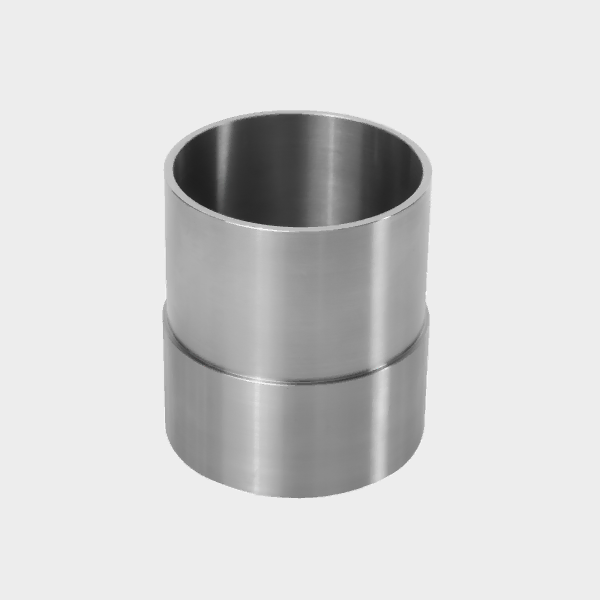
PEEK

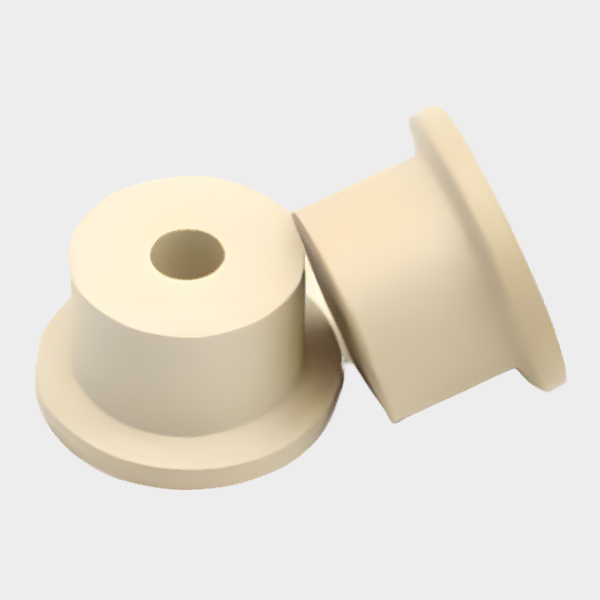
PEEK is strong and can handle high temperatures without losing its strength. Found in high-performance industries like aerospace and medical implants, it's built for extreme conditions.

Color: Beige Black

Subtypes: PEEK Beige(Natural), PEEK Black

Available Finish: As machined, Sand blasting, Tumbling, Painting, Powder coating
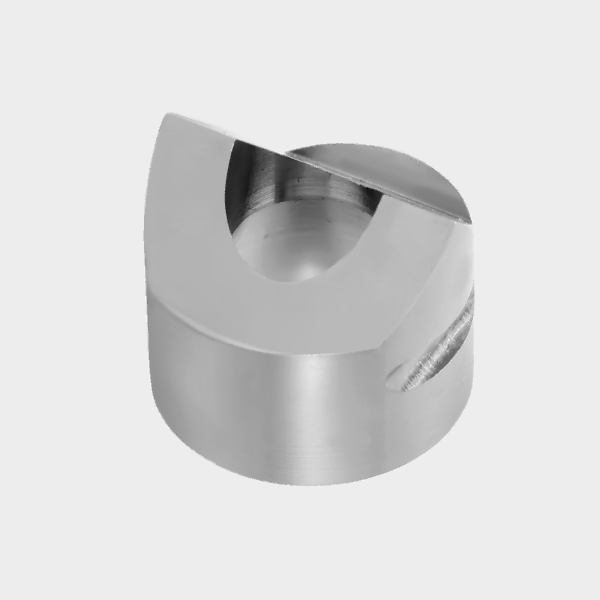
PP

Polypropylene is tough, chemical-resistant, and handles higher temps. It's commonly found in car parts, containers, and packaging, especially where exposure to heat or chemicals is common.

Color: Black White

Subtypes: PP Black, PP White, PP+GF30 Black

Available Finish: As machined, Sand blasting, Tumbling, Painting, Powder coating
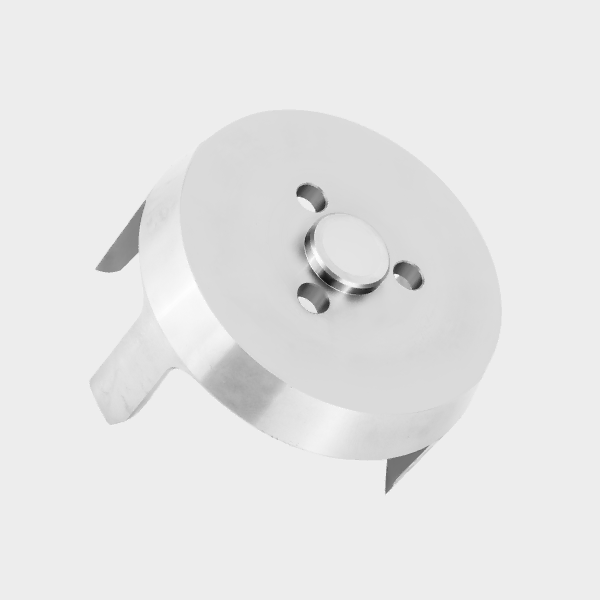
HDPE

HDPE is super strong and impact-resistant, with a high strength-to-density ratio. Ideal for bottles, containers, and pipes that need to withstand outdoor wear and tear.

Color: Black White

Subtypes: HDPE Black, HDPE White

Available Finish: As machined, Sand blasting, Tumbling, Painting, Powder coating, Teflon coating

HIPS

HIPS is easy to machine and holds up well to impact. This makes it an excellent choice for prototypes, models, and temporary displays where you need something light but sturdy.

Color: White

Subtypes: HIPS Board White

Available Finish: As machined, Sand blasting, Tumbling, Painting, Powder coating, Brushed finish

LDPE

LDPE is soft, flexible, and resistant to cracking. Perfect for plastic bags, tubing, and shrink wrap where heat sealing is essential.

Color: White

Subtypes: LDPE White

Available Finish: As machined, Painting, Powder coating, Teflon coating

PBT

PBT is rigid, heat-resistant, and resists moisture. This material is often found in electrical parts, automotive components, and industrial connectors where high heat or wet conditions are a concern.

Color: Black Milkey White

Subtypes: PBT Black, PBT Milky White (Natural)

Available Finish: As machined, Sand blasting, Tumbling, Painting, Powder coating
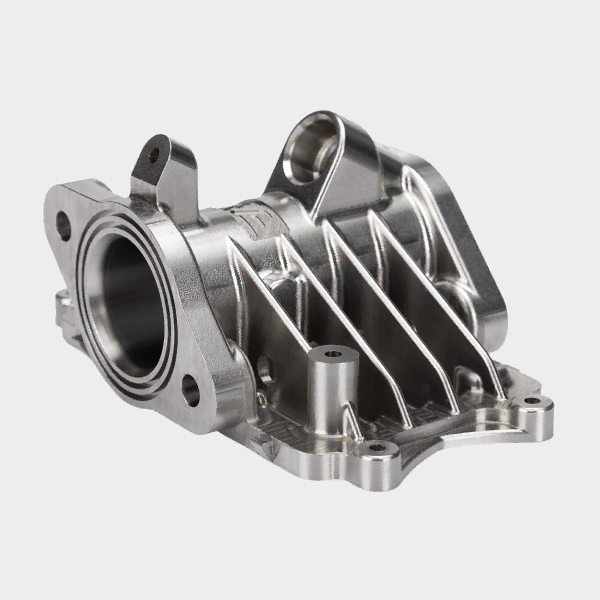
PPA

PPA offers heat resistance and stiffness. It's ideal for automotive and electrical applications where durability at high temperatures is essential.

Color: Beige

Subtypes: PPA Beige

Available Finish: As machined, Sand blasting, Tumbling, Painting, Teflon coating, Brushed finish

PAI

PAI is known for its amazing thermal and chemical stability. A top choice for aerospace and automotive sectors, it's used in high-performance parts that withstand extreme conditions.

Color: Black Brown

Subtypes: PAI 4203, 4503, 4301, 4501

Available Finish: As machined, Sand blasting, Tumbling, Heat Treatment, Teflon Coating, Painting

PET

PET is strong, moisture-resistant, and recyclable. Commonly found in food containers, bottles, and textiles, it resists wear and tear over time.

Color: Black White

Subtypes: PET Black, PET White, PET+GF30 Black, PET+GF30 White

Available Finish: As machined, Sand blasting, Tumbling, Teflon Coating, Painting

PPS

PPS is heat- and chemical-resistant, making it a great fit for automotive, aerospace, and industrial parts exposed to harsh environments that need to stay solid under stress.

Color: Black White

Subtypes: PPS Black, PPS White, PPS+GF30 Black

Available Finish: As machined, Sand blasting, Tumbling, Teflon Coating, Painting

PS

Polystyrene is lightweight and easy to shape, making it a popular option for models, prototypes, and disposable packaging where strength isn't the top concern but shaping is.

Color: Transparent

Subtypes: PS Transparent

Available Finish: As machined, Sand blasting, Painting

PVC

PVC is durable, affordable, and resistant to chemicals. Found in plumbing pipes, medical devices, and electrical cables, it resists corrosion and wear.

Color: Grey

Subtypes: PVC Grey

Available Finish: As machined, Sand blasting, Painting, Teflon coating, Powder coating
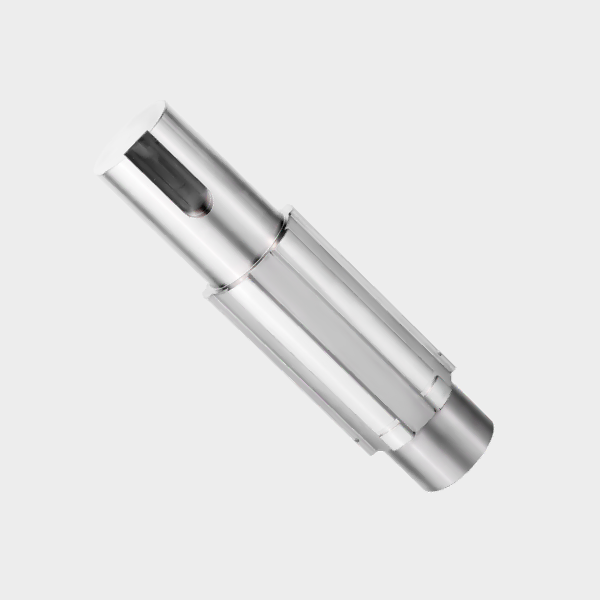
PTFE (Teflon)

PTFE is chemically resistant, low friction, and stable at high temperatures. Commonly used in non-stick coatings, gaskets, and seals where performance in tough conditions is a must.

Color: Black White

Subtypes: Teflon (PTFE) Black, Teflon (PTFE) White

Available Finish: As machined, Sand blasting, Powder coating, Brushed finish

UPE

UPE is tough with long polymer chains, making it ideal for abrasion-resistant applications like lining chutes and wear-resistant surfaces that see a lot of action.

Color: Black White

Subtypes: UPE Black, UPE White

Available Finish: As machined, Sand blasting, Teflon coating, Painting

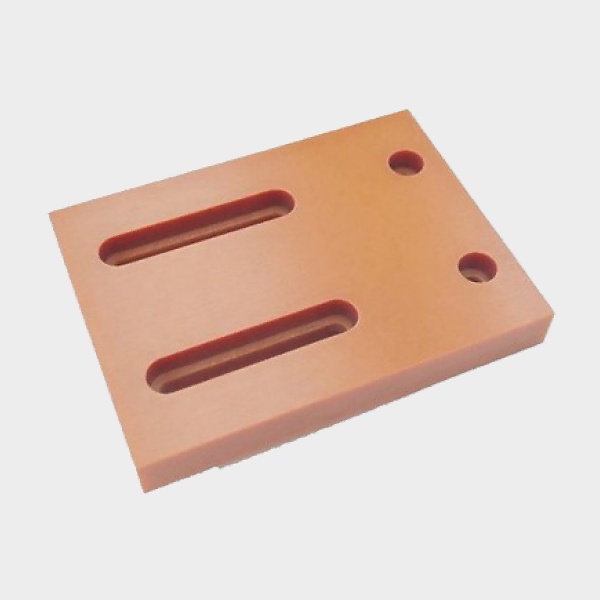
Bakelite

Bakelite is heat-resistant, electrically non-conductive, and super durable. It’s found in electrical insulators and vintage electronics, where safety and long-lasting performance are critical.

Color: Black Orange

Subtypes: Bakelite Black, Bakelite Orange

Available Finish: As machined, Painting, Powder coating, Brushed finish

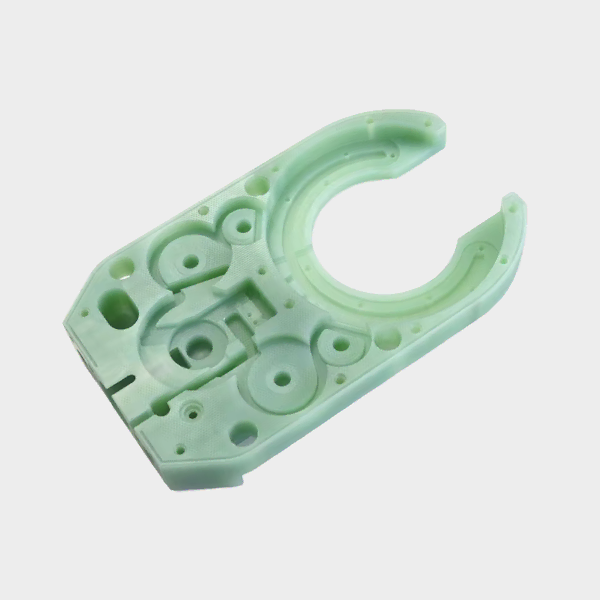
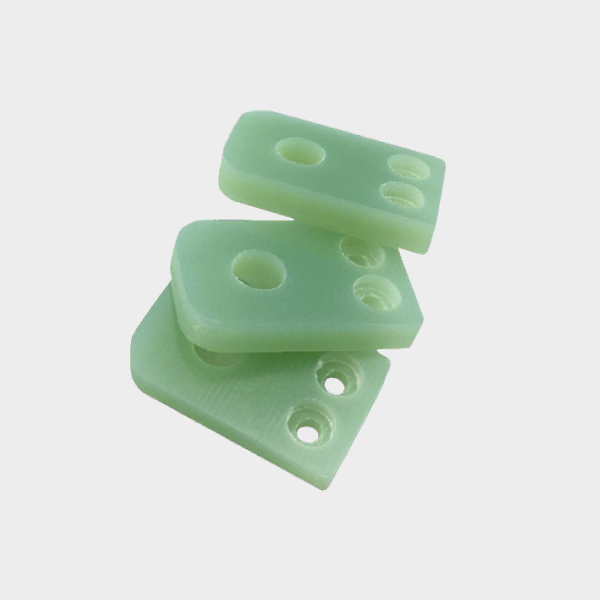
FR-4

FR-4 is flame-resistant, strong, and insulates electricity. Primarily used in electronics for circuit boards and parts that need to withstand heat and electrical stress.

Color: Green Yellow

Subtypes: FR-4 Aqua Green, FR-4 Yellow

CNC Machining Surface Finishes

Compare surface finish options for CNC prototypes and production parts. Select the finish to match your application, appearance and performance requirements.

As Machined

As machined finish leaves the surface straight from the CNC machine, providing a cost-effective option with tool marks.

Anodizing

Anodizing increases corrosion resistance and wear properties, while allowing for color dyeing, ideal for aluminum parts.

Polishing

sus304 polished vacuum plated silver d

Polishing achieves a high gloss finish, reducing surface roughness and enhancing the aesthetic appeal of metals.

Sand Blasting

Sand blasting uses pressurized sand or other media to clean and texture the surface, creating a uniform, matte finish.

Brushed Finish

A brushed finish creates a unidirectional satin texture, reducing the visibility of marks and scratches on the surface.

Powder Coating

Powder coating applies a thick, wear-resistant layer with excellent color and texture options, suitable for a variety of surfaces.
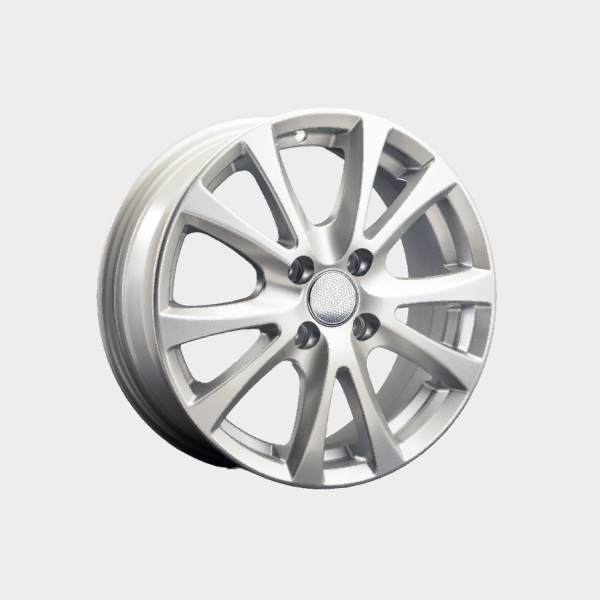
Electroplating

Electroplating bonds a thin metal layer onto parts, improving wear resistance, corrosion resistance, and surface conductivity.

Black Oxidize

Black oxidize is a conversion coating for ferrous metals that improves corrosion resistance and minimizes light reflection.
Electropolish

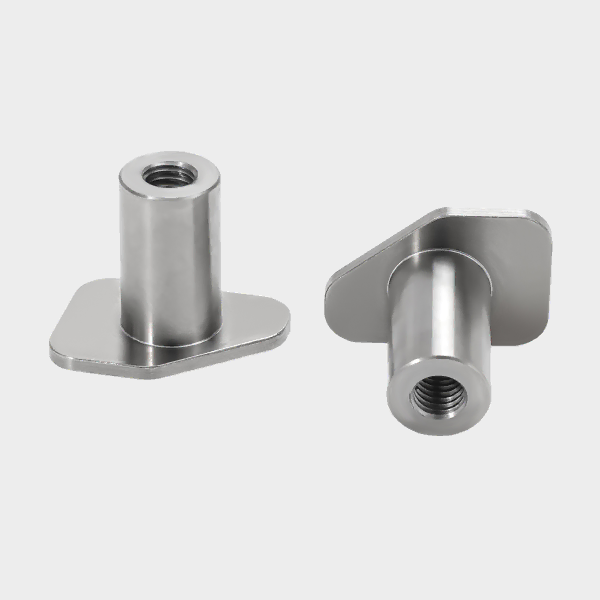
sus304 polished vacuum plated silver d

Electropolish is a chemical process that smooths and brightens surfaces while improving corrosion resistance.

Alodine

Alodine coating provides corrosion protection and improves paint adhesion, mainly used on aluminum surfaces.
Tumbling

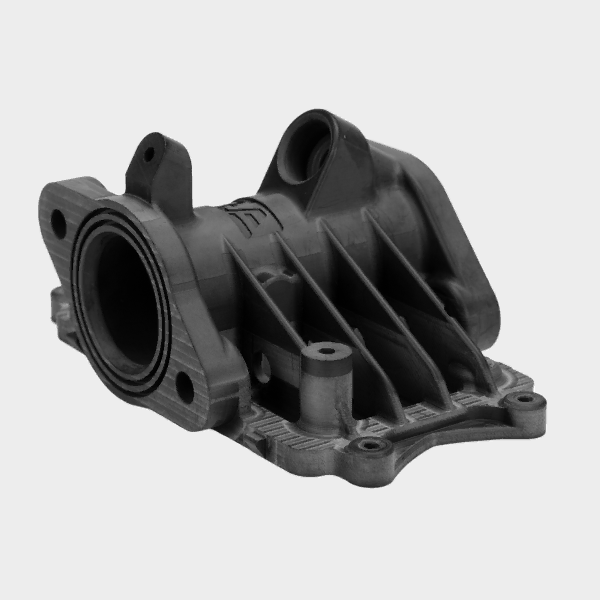
Tumbling smooths and polishes small parts by friction and abrasion in a barrel, offering a consistent but slightly textured finish.

CNC Machining Applications

Explore CNC machining applications across consumer products and custom mechanical components.

CNC Machining for Various Industries

CNC machining supports independent inventors, product designers and engineering teams across a wide range of applications.

blog-what-is-cnc-machining

Aerospace

Lightweight structural parts and precision components.

cnc icon 6

Automotive

Functional prototypes, housings and mechanical components.

cnc icon 3

Automation

Components for automated systems and precision assemblies.

blog-cnc-machining-tolerance

Medical Devices

Application-specific parts with drawing and inspection requirements.

robotic-product

Robotics

End-effectors, joints, brackets and custom assemblies.

consumer-keyboard-product

Consumer Products

Prototype enclosures and production components.

Tolerances for CNC Machining

Define dimensional and inspection requirements early so every component fits its intended assembly.

General Tolerances

Specify ISO 2768-m for metals or ISO 2768-c for plastics where applicable; the drawing and quotation govern acceptance.

Precision Tolerances

Identify critical dimensions and GD&T. Achievable tolerances depend on material, geometry and inspection requirements.

Maximum Part Size

Submit overall dimensions and geometry for a milling or turning capacity review.

Minimum Wall Thickness

Thin walls require review for tool pressure, vibration and material stability.

Minimum End Mill Size

Small milled features require suitable tool diameter, reach and access. Confirm feasibility with your drawing.

Minimum Drill Size

Small holes require review of diameter, depth, chip evacuation and available tooling.

Minimum Part Size

Submit the smallest component dimensions for review of workholding, tool access and inspection.

Production Volume

From prototypes and small batches to repeat production. Confirm quantity in your quotation.

Lead Time

Confirmed after review of material, geometry, quantity, finish and the production schedule.

Precision CNC Machining with Quality Control

Certifications

Learn about YC Precision’s ISO 9001 and IATF 16949 information on our company website.

Inspection Requirements

Define critical dimensions, material requirements and inspection documentation with your drawing.

Transparent Process

Align raw material selection, machining, surface finishing and final inspection with the approved requirements.

Design Guidelines for CNC Machining

Review these design considerations with your engineering team. Drawing review confirms the requirements for your specific project.

Guideline

Description

Notes

Internal Radii

Description

Sharp internal corners naturally form radii during milling.

Notes

Allow tool access and practical corner transitions.

Drilled Holes

Description

General design guidance: drill depth ≤ 12× diameter.

Notes

Review deep holes for chip evacuation and available tooling.

Threads and Tapped Holes

Description

Thread-depth guidance: Φ 1.5–5 mm, 3× diameter; Φ ≥ 5 mm, 4–6× diameter.

Notes

Specify thread standard, pitch, depth and fit; confirm project feasibility.

Undercuts

Description

Square, full-radius and dovetail profiles require suitable tooling.

Notes

Provide adequate cutter access and dimension the profile.

Text and Markings

Description

Specify engraving or laser marking, text size, depth and position.

Notes

Fine details need review before production.

Why Choose Us

/01 High Quality Parts

Manufacture to agreed drawings, with inspection requirements defined for fit and performance.

/02 Project Planning

Discuss machining, finishing and delivery requirements early to establish a practical production schedule.

/03 Engineering Support

Work with our team to review materials, tolerances and manufacturability for your custom parts.

Ultimate Guide to CNC Machining

Explore CNC processes, design considerations and material selection.

CNC Machining FAQs

CNC machining has a wide range of applications across industries.

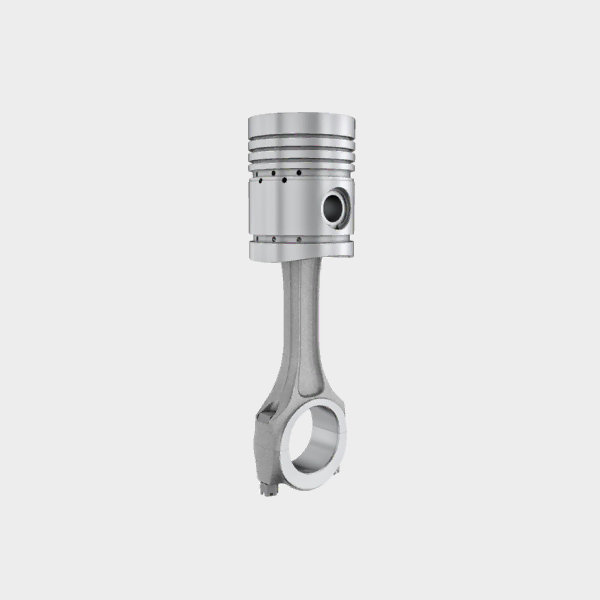
  • In the automotive and aerospace sectors, it is used to fabricate precise engine components, structural parts, and other intricate elements.
  • The medical industry leverages CNC for manufacturing devices, implants, and surgical instruments.
  • CNC is also crucial in electronics, enabling the production of electronic housings, circuit boards, and connectors.
  • Machine tool makers rely on CNC to create complex molds, dies, and machine components. Additionally,
  • CNC is valuable for general custom part production, prototyping, woodworking, and more, allowing for consistent quality and high precision.

Advantages of CNC Machining

  • Precision and Repeatability: CNC machining ensures high precision and consistent replication of parts, crucial for complex designs with tight tolerances.
  • Reduced Human Error: The automated nature of CNC machining minimizes human error, enhancing the overall quality of production.
  • Efficiency and Speed: Automation allows for faster production cycles, enabling quicker turnaround times than manual processes.
  • Material Flexibility: CNC machines can work with a diverse range of materials, including metals, plastics, and composites, offering versatility across various applications.
  • Software Integration: Advanced CNC software supports quick design changes and updates, facilitating rapid prototyping and easy customization.
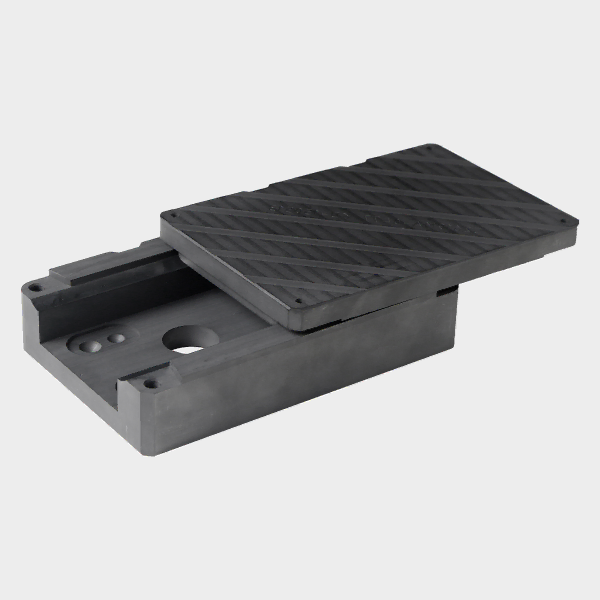
  • Cost-Effective for Large Runs: While setup costs are higher, per-unit costs decrease significantly with larger production volumes, making it cost-effective for mass production.

Disadvantages of CNC Machining

  • High Initial Costs: CNC machinery and its maintenance represent significant investments, making initial setup expensive, especially for small-scale operations.
  • Skill Requirements: Operating CNC machines requires highly skilled personnel, which can increase training costs and limit accessibility.
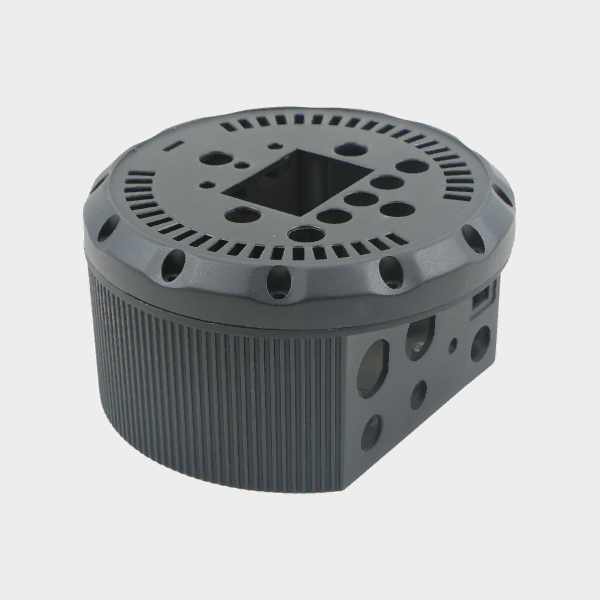
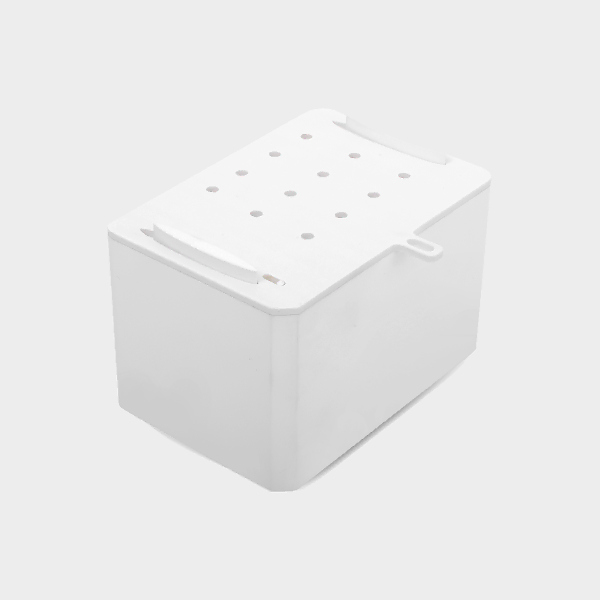
  • Less Cost-Effective for Small Runs: Due to setup and programming time, CNC machining may not be economical for producing small quantities of parts.
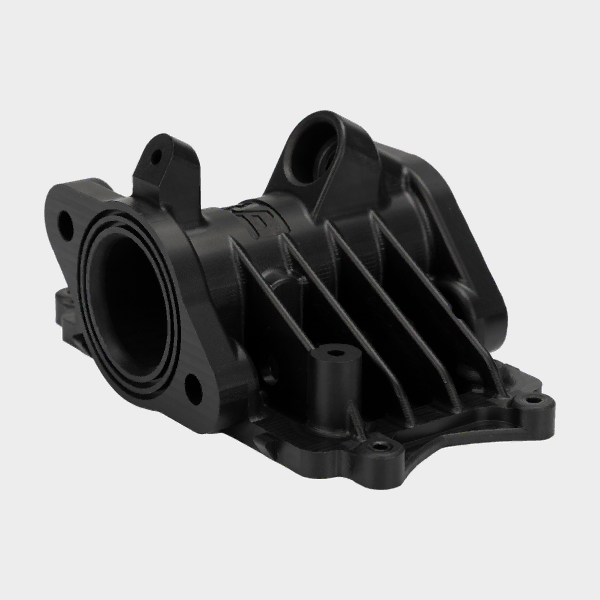
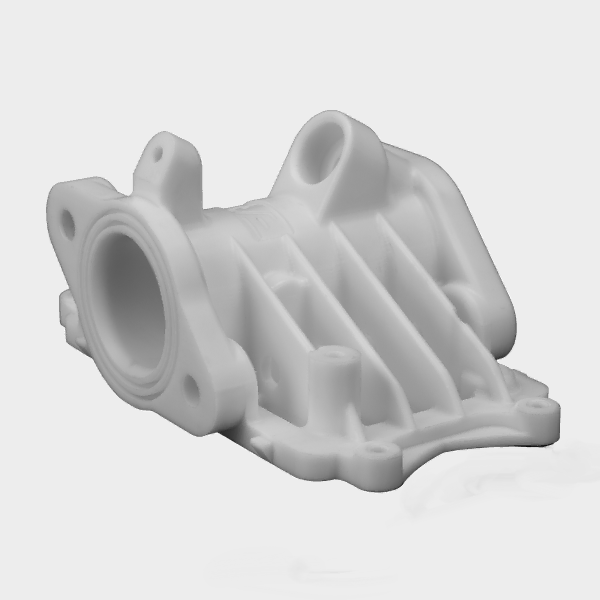
  • Material Waste: CNC machining often involves subtractive processes, leading to more material waste compared to additive manufacturing.
  • Limited to Material Hardness: Extremely hard materials can wear out CNC tools quickly, potentially increasing operational costs and downtime.

Manufacturing Process: 3D printing is an additive process, building parts layer by layer from materials like plastic or metal. In contrast, CNC machining is subtractive, cutting away material from a solid block to shape the final product.

Material Efficiency: 3D printing minimizes waste by using only the material needed to form the part, whereas CNC machining can produce more waste due to its subtractive nature.

Speed and Cost: For small batches and complex geometries, 3D printing can be faster and more cost-effective. CNC machining is preferable for larger volumes and materials requiring high precision and strength.

Surface Finish and Tolerances: CNC machining typically achieves better surface finishes and tighter tolerances compared to 3D printing.

John T. Parsons is often credited as the father of CNC machining. In the late 1940s, Parsons developed the first numerical control techniques and applied them to the production of helicopter rotor blades. Working alongside engineer Frank L. Stulen, Parsons conceptualized the method of using punched tape to guide machine tools. This innovation laid the groundwork for the development of CNC (Computer Numerical Control) technology. Their pioneering work eventually led to the creation of the first CNC machines in the 1950s, which revolutionized manufacturing by improving the precision, efficiency, and repeatability of machining processes.

G and M codes are the programming languages used in CNC machining to control CNC machine tools. G-codes are primarily used for specifying the movements of the machine, such as linear interpolation, circular movements, and other specific functions related to the actual path of the tool. M-codes, on the other hand, handle machine functions that are not directly related to the path of the tool, such as turning the machine on or off, starting or stopping the spindle, and controlling coolant. Together, G and M codes provide a comprehensive set of instructions that CNC machines follow to produce parts accurately and efficiently.

CNC machining can achieve close tolerances, depending on material, part geometry, size and machine setup. Define critical dimensions and GD&T in your drawing so the achievable tolerance and inspection method can be confirmed with your quotation.

A machining center is a highly advanced CNC machine designed to handle a variety of machining tasks including milling, drilling, and tapping, all within a single setup. This integration enhances efficiency and accuracy by reducing the need to transfer parts between different machines. Machining centers are equipped with a tool turret or magazine that holds multiple tool options, enabling automatic tool changing under CNC control. This capability allows for rapid switching between operations, optimizing production flow. Typically, machining centers are used for complex parts that require precision machining from multiple angles, making them indispensable in modern manufacturing environments.

YC Precision supports custom CNC milling and turning for prototypes and production. Send your drawings, material and required quantities so our team can review capacity and scheduling for your project.

CNC machining cost depends on material, part size and complexity, setup time, quantity, tolerances and surface finish. Send your CAD model and drawing for a quotation based on your requirements.

Send your required quantity with your drawings. Our team will review prototype and production requirements and confirm order quantities and pricing in the quotation.

Lead time depends on design complexity, material, quantity, finishing and the production schedule. Contact our team for a project-specific delivery estimate.

CNC Machining Quick Reference

blog-what-is-cnc-machining

Selecting CNC Materials

Compare metals, engineering plastics and material properties.

blog-cnc-machining-tolerance

Defining Machining Tolerances

Review dimensional, inspection and drawing requirements.

blog-cnc-machining-design

Designing Machinable Parts

Review holes, threads, internal corners and markings.

Start Your CNC Project Now?

Send your drawings and requirements to YC Precision.